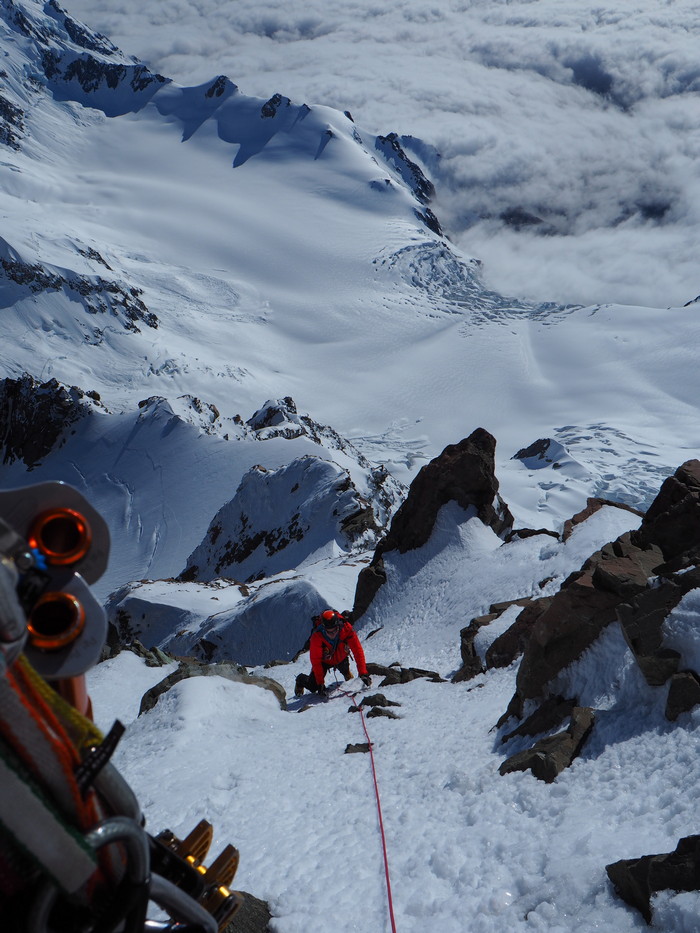
Climb Aoraki/Mt Cook — (3,724m) — New Zealand’s highest peak – Aoraki Mt Cook National Park
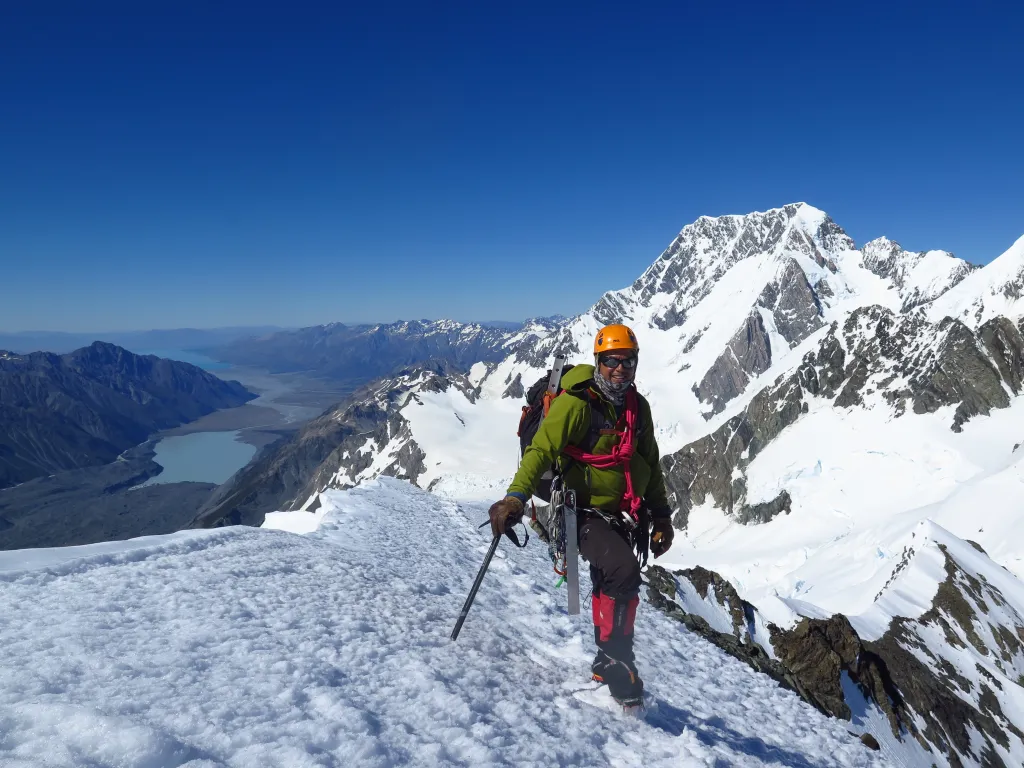
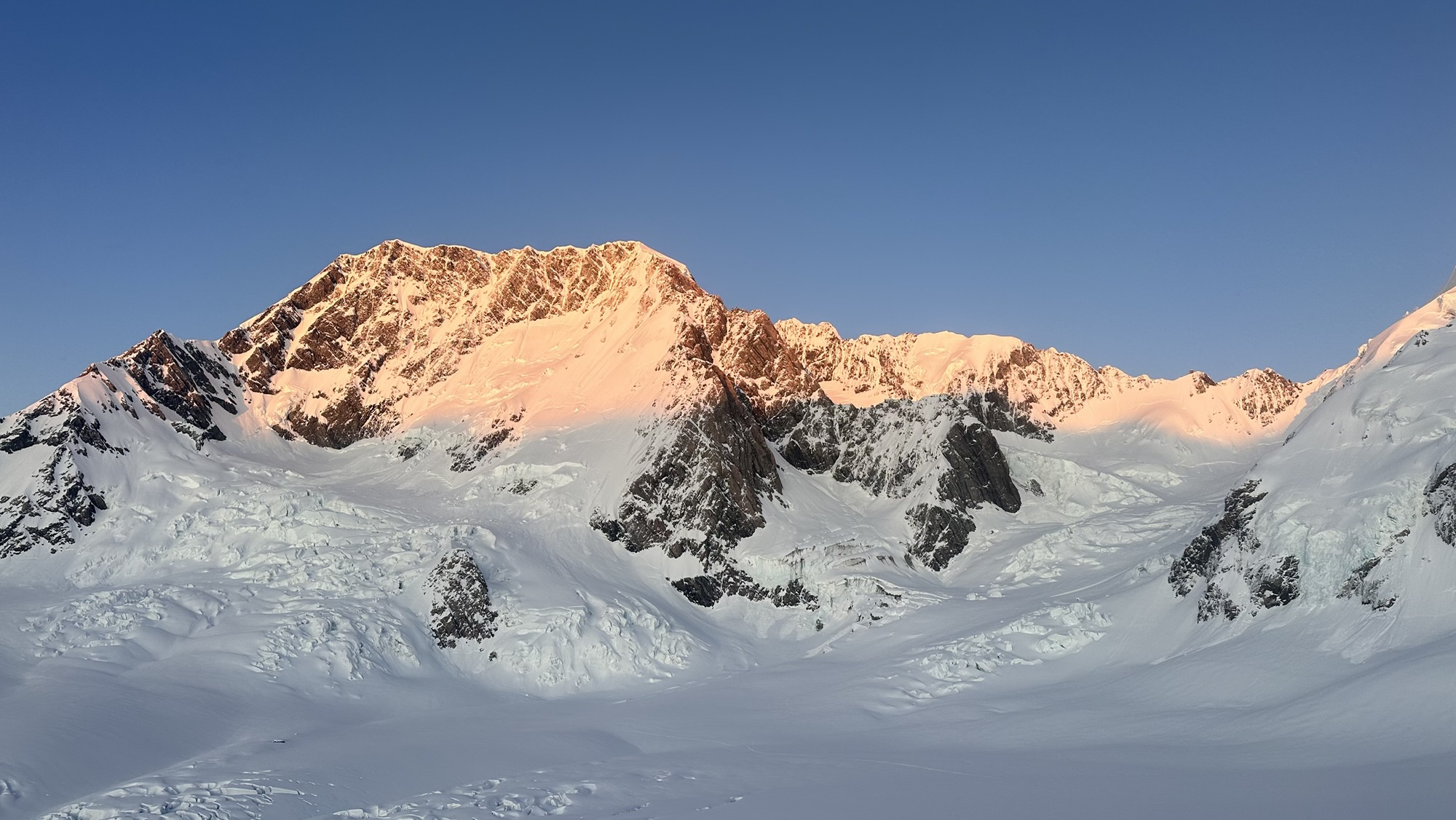
Aoraki/Mt Cook (3,724m) is New Zealand’s highest mountain and one of the most committing alpine climbs in Australasia. Standing at the heart of the Southern Alps, it rises from vast glacial systems and offers a summit experience unlike any other in the country — nearly half the view from the top is open ocean.
What makes Aoraki unique among the world’s great peaks is its proximity to the ocean. The Tasman Sea is just 30 kilometres to the west, which means the mountain generates its own weather systems. Conditions can change dramatically within hours, and this weather volatility is the single greatest challenge on the mountain. Route conditions, avalanche hazard, and visibility must all align for a safe summit attempt.
This is not a first summit. Aoraki demands strong alpine experience, excellent fitness, and mental resilience. Peak Experience guides this mountain for climbers who have built a solid foundation in alpine skills and are ready for a serious high-mountain objective. Our IFMGA and NZMGA-qualified guides bring decades of experience on Aoraki’s routes and know this mountain intimately.
The climbing season runs from November to March, with the best weather windows typically in late November–December and late February–March
The East Ridge and Zurbriggen’s Ridge offer alternative routes for experienced climbers.
These routes are far more technical and require years of experience in mountaineering.
They are significantly more committing than the Linda glacier.
We are happy to discuss these options with you – but do not guarantee that we will attempt these routes.
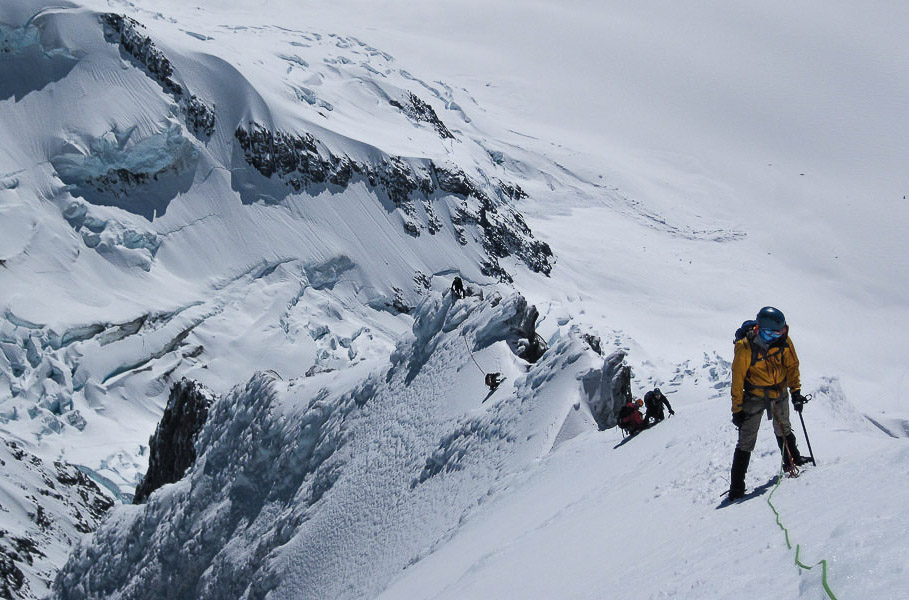
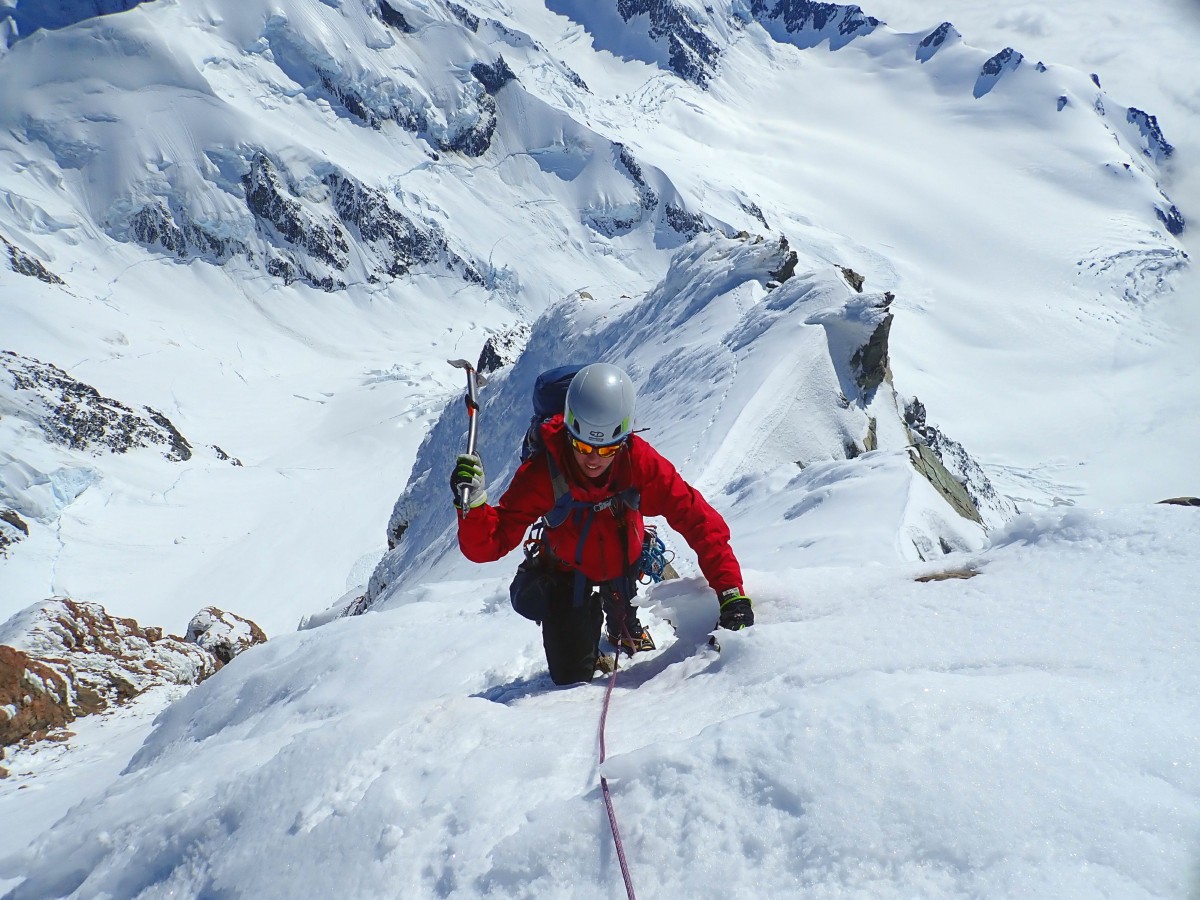
Regardless of route, climbing Aoraki is a serious undertaking. The mountain is heavily glaciated with significant objective hazards including crevasses, serac fall, and avalanche terrain. Your guide will manage these hazards, but you need to be technically competent and physically strong enough to move efficiently through this terrain. — get in touch if you have a specific route in mind
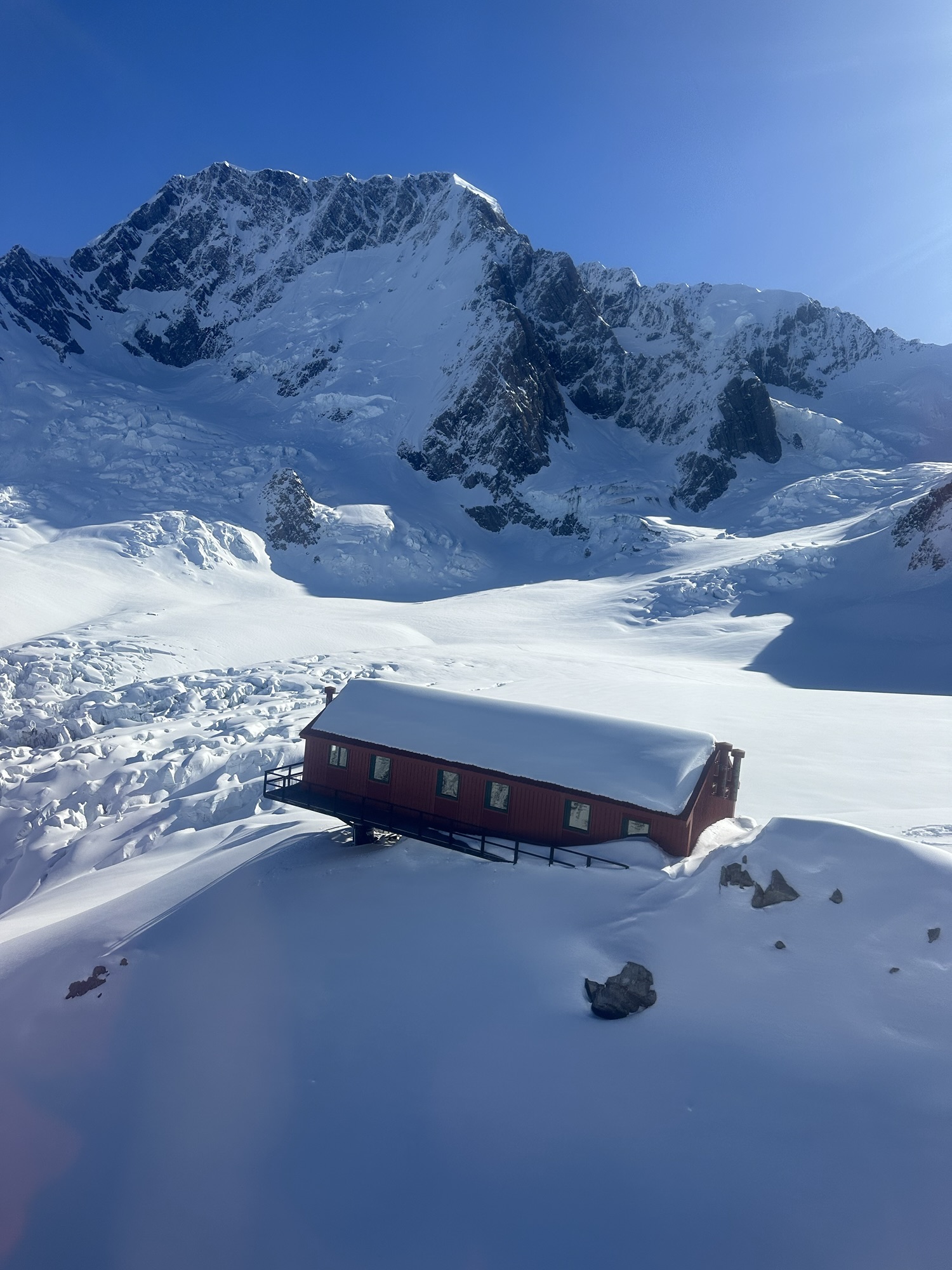
Meet your guide at our base in Wanaka — a 2.5-hour drive from Mt Cook Village and the staging point for your expedition. We'll run through a detailed briefing covering the weather outlook, route plan, and equipment check. If conditions allow, we fly by helicopter from Mt Cook Airport to Plateau Hut (2,200m) on the Grand Plateau that afternoon. If weather delays the flight, we'll use the time for skills review and preparation at Unwin Hut in Mt Cook
After getting sorted and comfortable we will head outside to start doing a basic skills check as time and weather allow
Essential acclimatisation days on the glacier. Skills review and training climbs. Your guide will assess conditions daily and finalise the summit plan. These days build your readiness and allow your body to adapt to the altitude.
We will get an early departure (typically up at midnight and moving by 1 am) for the summit attempt. The round trip from high camp takes 10–16 hours depending on conditions and route. Taking up to 24 hours is not uncommon. This is a long, demanding day that requires sustained effort and focus.
Fly out by Helicopter and Travel back to Wanaka ( Or depart in your own transport).
Note We build 1–2 weather contingency days into every expedition. Aoraki’s weather is unpredictable and patience is often the difference between success and failure on this mountain.
Helicopter from the Mt Cook Airport to the Grand Plateau.
We don't just rush onto the mountain. We'll take you out check on and brush up your skills. We may walk 1/2 way up the Linda Glacier to check conditions
Exit by helicopter (not included) - Walking out is 'technically" possible but the objective hazards often make this not a viable option.
Aoraki is a very serious alpine objective. We look for clients who bring:
Prior alpine climbing experience — you should have completed at least one multi-day guided ascent (Mt Aspiring or an Ascents Week )
Strong fitness — the ability to climb 1,200+ metres in a day carrying a pack, over consecutive days
Technical competence with crampons, ice axe, and rope work on steep terrain
Mental resilience — Aoraki involves early starts, long days, and potentially waiting out weather in a hut
Comfort with significant exposure and objective hazard
If you are unsure whether you are ready, talk to us.
If you have climbed Mt Aspiring with us (or have equivalent experience elsewhere), you are likely ready to discuss an Aoraki attempt.
If you are building towards this goal, we can advise on the best progression of climbs and courses such as Alpine Skills
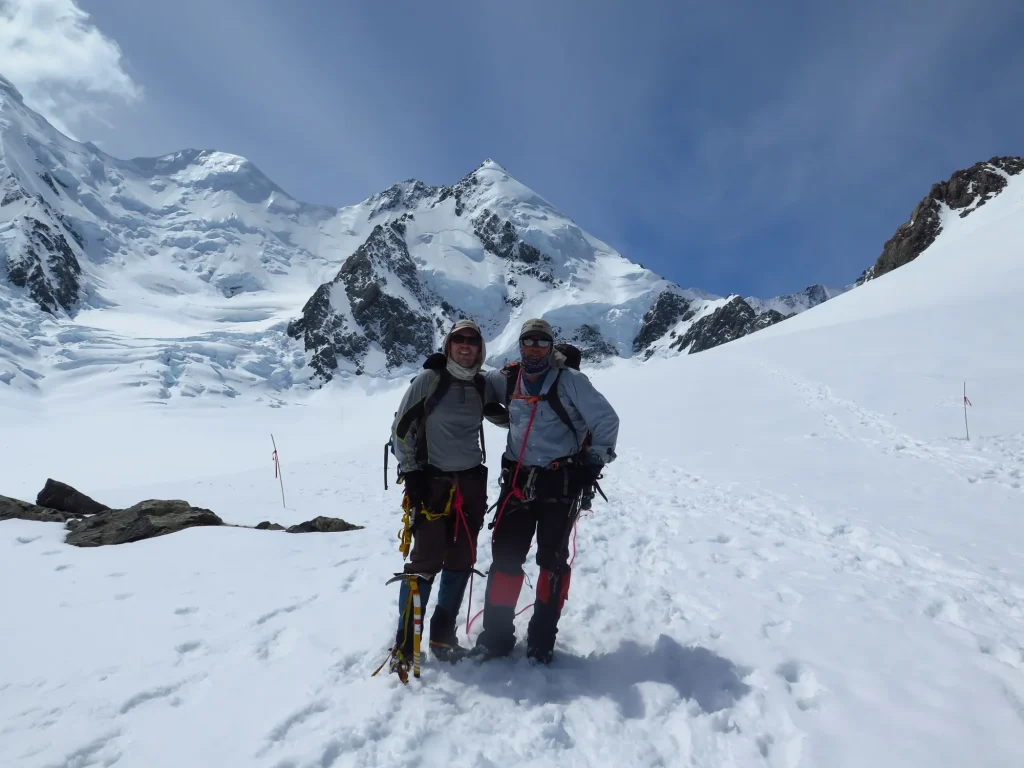
A climb of Aoraki / Mt Cook demands serious preparation — both physical and technical. We recommend beginning your training programme at least 12 weeks before your departure date.
Equipment: You’ll need personal mountaineering equipment including double boots, crampons, harness, and ice axe. We provide all group technical equipment (ropes, anchors, rescue gear) and can supply harness, helmet, and ice tools if needed. A full equipment list is available on request and included with your booking confirmation – however we have a broad summer mountaineering gear list you can download
IFMGA & NZMGA certified — the highest international mountain guiding qualification, recognized in 26 countries
Meet our Guides
Based in Wanaka — 2.5 hours drive to Mt Cook village. We’ve spent years climbing and playing in the New Zealand Alps
DOC concession holder for Mt Aspiring National Park. AdventureMark accredited for safety and quality.
1:1 guide-to-client ratio — personalised instruction, flexible itineraries, and maximum safety on the mountain
Flexible Approach – we adapt the programme to weather and your progression
Progressive guiding pathway — from Alpine Skills through Mt Aspiring to Aoraki
Summit success depends heavily on weather. In a typical season, roughly half of all attempts are turned back by conditions rather than fitness or ability. We maximise your chances by building contingency days into the programme and selecting the best weather windows.
Aoraki is significantly more demanding. It is higher (3,724m vs 3,033m), more remote, has greater objective hazard, and the weather is more volatile. A successful Mt Aspiring climb is excellent preparation but does not guarantee readiness for Aoraki — talk to us and we will give you an honest assessment.
Weather and conditions are respected absolutely. If a safe summit is not possible, we use the time productively — skills training, reconnaissance climbs, or alternative objectives. No refund is given for weather-related changes, but additional contingency days can be purchased.
Yes — we often build progressive programmes: Alpine Skills Course → Remarkables → Mt Aspiring → Aoraki/Mt Cook. Contact us to discuss a multi-trip plan.
You need personal climbing equipment including mountaineering boots, crampons, ice axe, and harness.
If you don’t own these, we can arrange hire in Wanaka.
All group technical equipment and avalanche safety gear is provided.
The most reliable climbing conditions are from November through December, with a secondary window in late February to March depending on the year. The Linda Glacier route has narrowed its viable season in recent decades due to glacial retreat and changing snow conditions. We monitor conditions throughout the season and will advise you on the best dates for your expedition. All our Aoraki programmes depart from our base in Wanaka.
All our Aoraki expeditions begin and end in Wanaka — our home base in the Southern Alps. We’ll meet you at our base for a detailed briefing and equipment check before driving to Mt Cook Airport (approximately 2.5 hours) for the helicopter flight to Plateau Hut. If you’re flying into New Zealand, Queenstown Airport is the closest international airport, about 1 hour’s drive from Wanaka.
You need a high level of endurance fitness. As a benchmark, you should be able to climb 1,200+ vertical metres carrying an 8-10kg pack in a single day, and sustain similar efforts over consecutive days. Summit day involves 1,700m of ascent and descent over 10-24 hours. We recommend starting a focused training programme at least 12 weeks before your trip, emphasising hill running, loaded hiking, and core strength.
Helicopter flights from Mt Cook Airport to Plateau Hut and return are not included in the trip price and are arranged separately. Current helicopter costs are approximately NZ$600-800 per person each way, depending on the operator and conditions.
We don’t include heli cost in our pricing as we can often combine loads with others either fly in or flying out to reduce costs.
We coordinate all helicopter logistics for you — you don’t need to arrange this yourself. You just need to pay on the day
Wanaka has excellent accommodation at every level — from backpacker hostels to boutique lodges.
We recommend arriving at least one night before your expedition starts so you’re rested and ready for the briefing. We’re happy to suggest specific options based on your budget.
Many clients extend their stay in Wanaka after the expedition for rest days, rock climbing, or ski touring.
Aoraki is the pinnacle of our guided climbing programme. Most clients reach this point through a progression of climbs that build skills, fitness, and mountain experience:
Not sure where you sit? Talk to us — we'll give you an honest assessment of your readiness and recommend the right progression for your goals.
Ready to take on New Zealand’s highest peak? Contact us to discuss your experience, dates, and objectives. Our guides will give you an honest assessment of your readiness and help plan the right expedition