If you are heading beyond the resort boundary with skis, splitboard, or snowshoes, avalanche education stops being optional pretty quickly. The question is not whether you need training. It is whether an ASC1 avalanche course is the right starting point for the terrain you want to travel in and the decisions you will need to make there.
For most backcountry users, the answer is yes.
An ASC1 avalanche course is the standard entry point for people who want to move from enthusiasm to competence in avalanche terrain. It gives you a practical framework for recognizing hazards, understanding avalanche bulletins, planning a day in the mountains, and making better group decisions when conditions are uncertain. Just as importantly, it shows you where the limits of your knowledge are. That matters because avalanche terrain has a way of punishing overconfidence.
An ASC1 avalanche course is not a shortcut to expert status. It is a foundation course built for recreational backcountry travelers who need a clear, structured introduction to avalanche safety and decision-making.
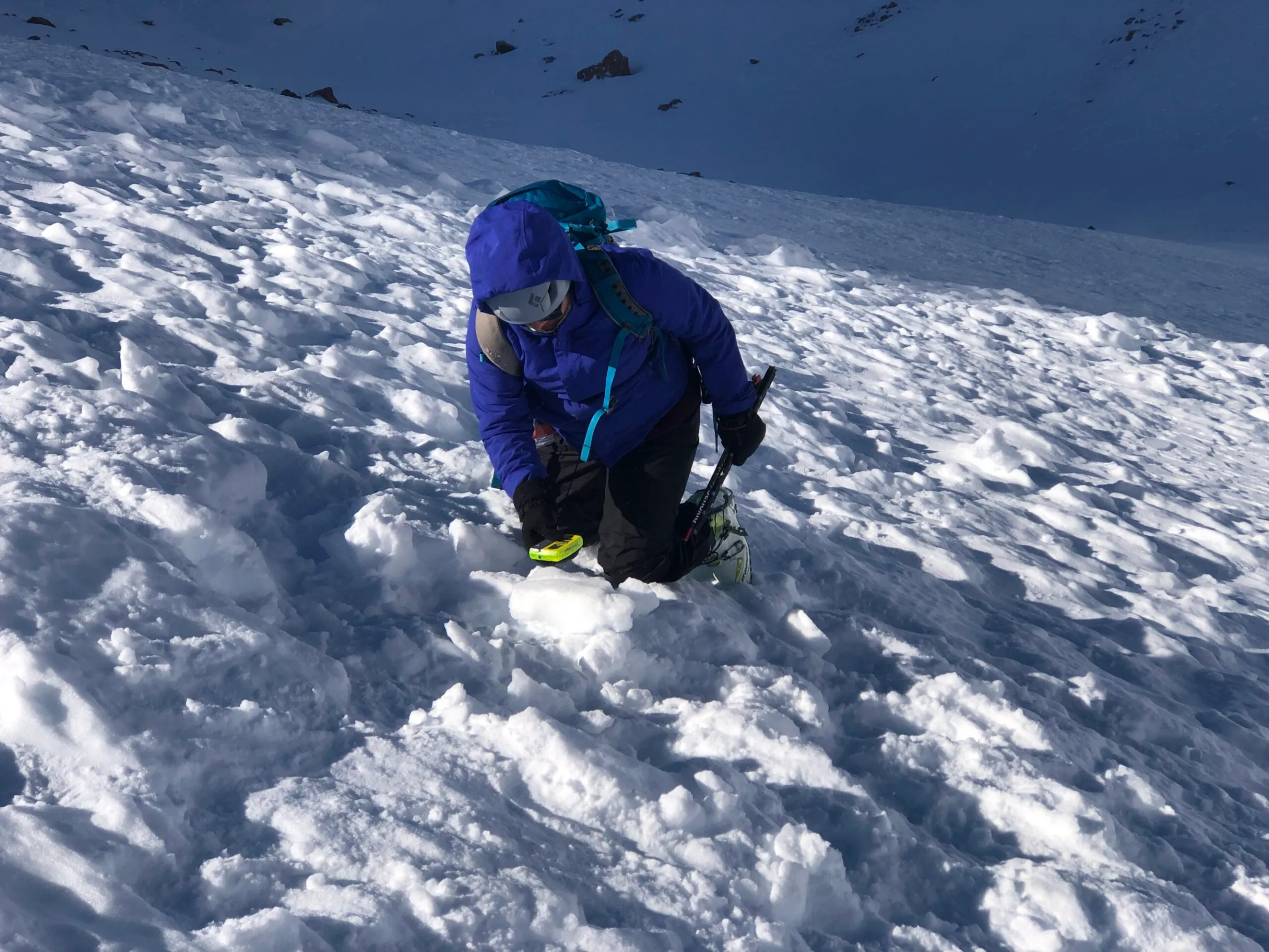
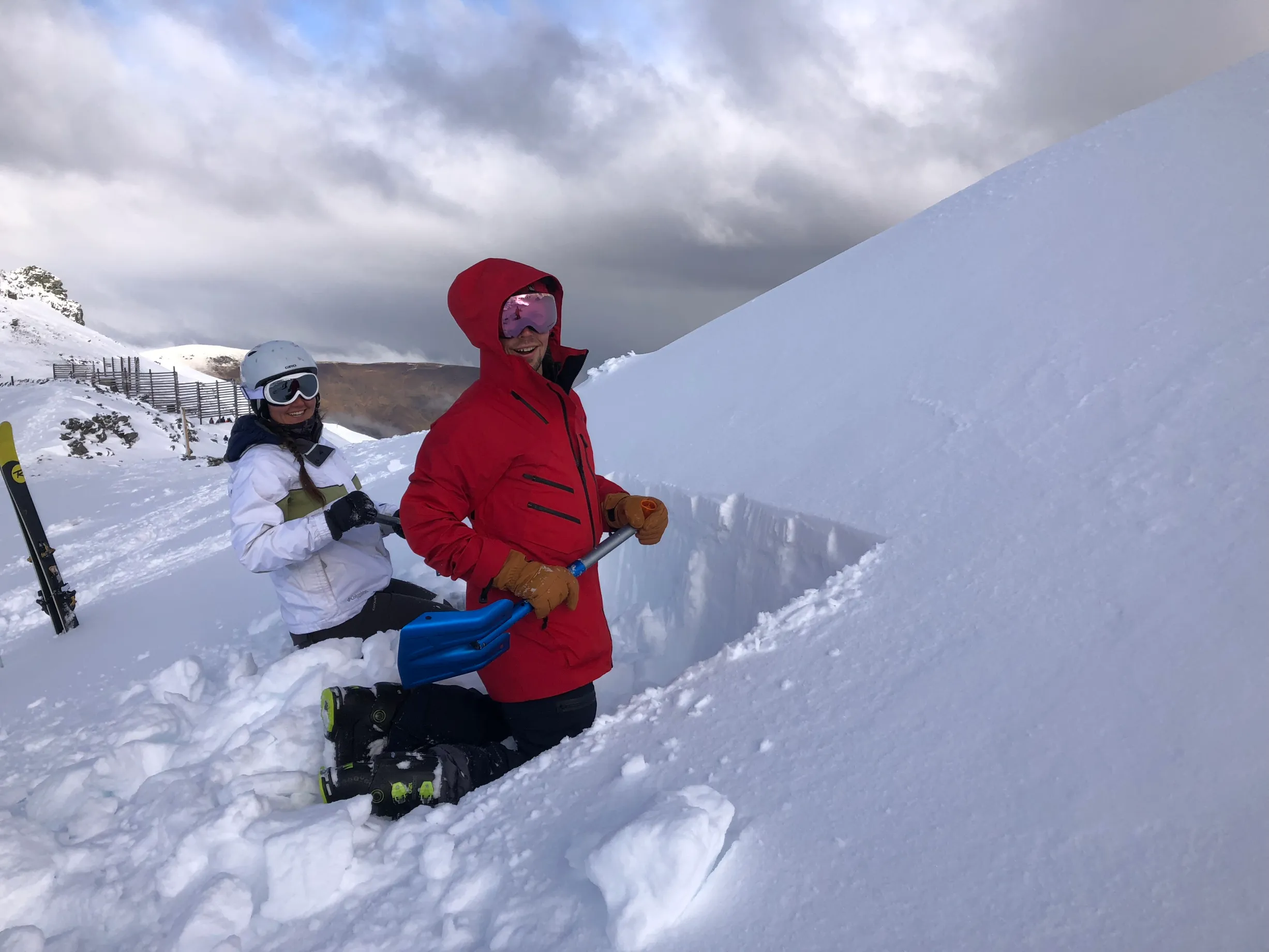
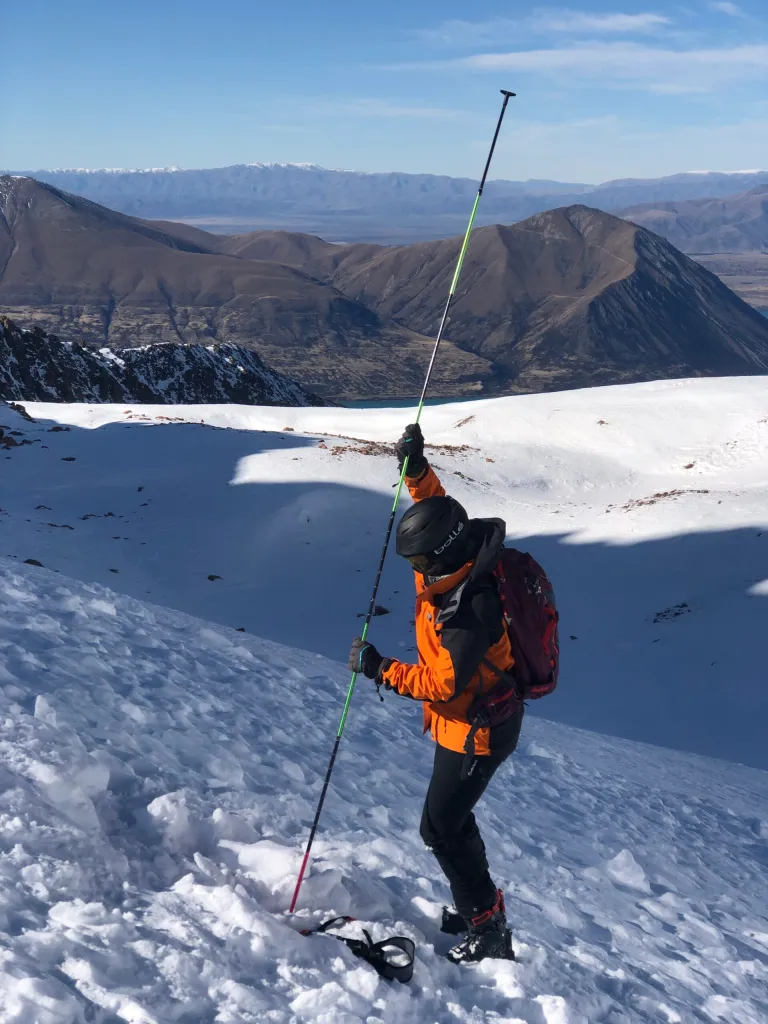
You can expect a mix of classroom learning and field-based instruction. The classroom component usually covers avalanche formation, terrain recognition, weather influences, snowpack basics, trip planning, and the use of public avalanche forecasts. The field component brings that theory into real terrain, where you practice movement strategies, safe spacing, observations, rescue drills, and terrain selection.
The rescue side is a major part of the course, but it should not be mistaken for the whole course. Beacon searches, probing, and shoveling are essential skills, yet they sit at the end of the risk chain. A good ASC1 course puts more emphasis on not getting caught in the first place. That means learning how to identify avalanche terrain, recognize red flags, and make choices that match the day’s conditions and your group’s capability.
This course is aimed at people entering the backcountry or building structure around existing experience. That includes ski tourers, splitboarders, alpine climbers, winter trampers, and snowshoers. You do not need to be highly advanced in your sport, but you do need enough fitness and movement ability to travel in winter terrain and participate fully in a field day.
It is especially valuable for people who have been relying on stronger friends to make decisions. That setup is common, and sometimes it works until it does not. If you cannot interpret a bulletin yourself, recognize a terrain trap, or contribute meaningfully to a route discussion, you are bringing unnecessary risk into the group.
An ASC1 avalanche course also suits motivated beginners who want to start properly rather than piece together advice from social media, partners, and trial and error. Informal learning has its place, but avalanche education is one area where structured instruction from qualified professionals is a far better starting point.
The course goal is not to make you an avalanche forecaster. It is to help you become a more reliable recreational decision-maker.
After a strong ASC1 course, you should be able to read and interpret an avalanche advisory at a basic level, identify obvious avalanche terrain, recognize common warning signs such as recent avalanche activity or rapid warming, and build a simple plan that matches the forecast. You should also understand standard rescue procedures and be able to use avalanche safety equipment efficiently under pressure.
That said, there is a difference between course completion and real competence. Most people finish with a much better framework, but limited mileage. Good decisions in the mountains still depend on continued practice, conservative terrain choices, and honest self-assessment. That is one of the most useful outcomes of the course – it replaces vague confidence with clearer judgment.
This is where expectations matter.
An ASC1 avalanche course will not qualify you to lead every group in complex terrain. It will not give you enough depth to analyze every snowpack problem independently. It will not make steep skiing safer simply because you now carry a beacon and have practiced companion rescue.
For many recreational users, ASC1 is enough to support conservative travel in straightforward backcountry terrain when paired with experience, disciplined planning, and regular refreshers. But if your goals include steeper objectives, more serious winter alpinism, or frequent decision-making in variable conditions, you will need more than an entry-level course. Progression matters. So does context.
Not all avalanche courses deliver the same outcome, even if the syllabus looks similar on paper.
The difference usually comes down to the instructor’s ability to connect theory with real mountain travel. Strong instructors do more than explain avalanche problems. They show how terrain, weather, human factors, and group dynamics interact on an actual day out. They keep the content practical, avoid false certainty, and teach decision-making in a way that recreational users can apply immediately.
This is also why guide qualifications matter. In avalanche education, credibility comes from both teaching ability and time in consequential terrain. A professionally run course should feel structured, current, and realistic. It should not leave you with inflated confidence or a checklist mentality.
If you are looking at providers, ask who is teaching, what terrain is used, how much field time is included, and whether the course is built around actual decisions rather than just lectures and rescue laps. For people training with Peak Experience, that emphasis on qualified instruction and mountain judgment is central to the learning process.
A classroom can explain terrain traps. A field day shows you how easy they are to enter without noticing.
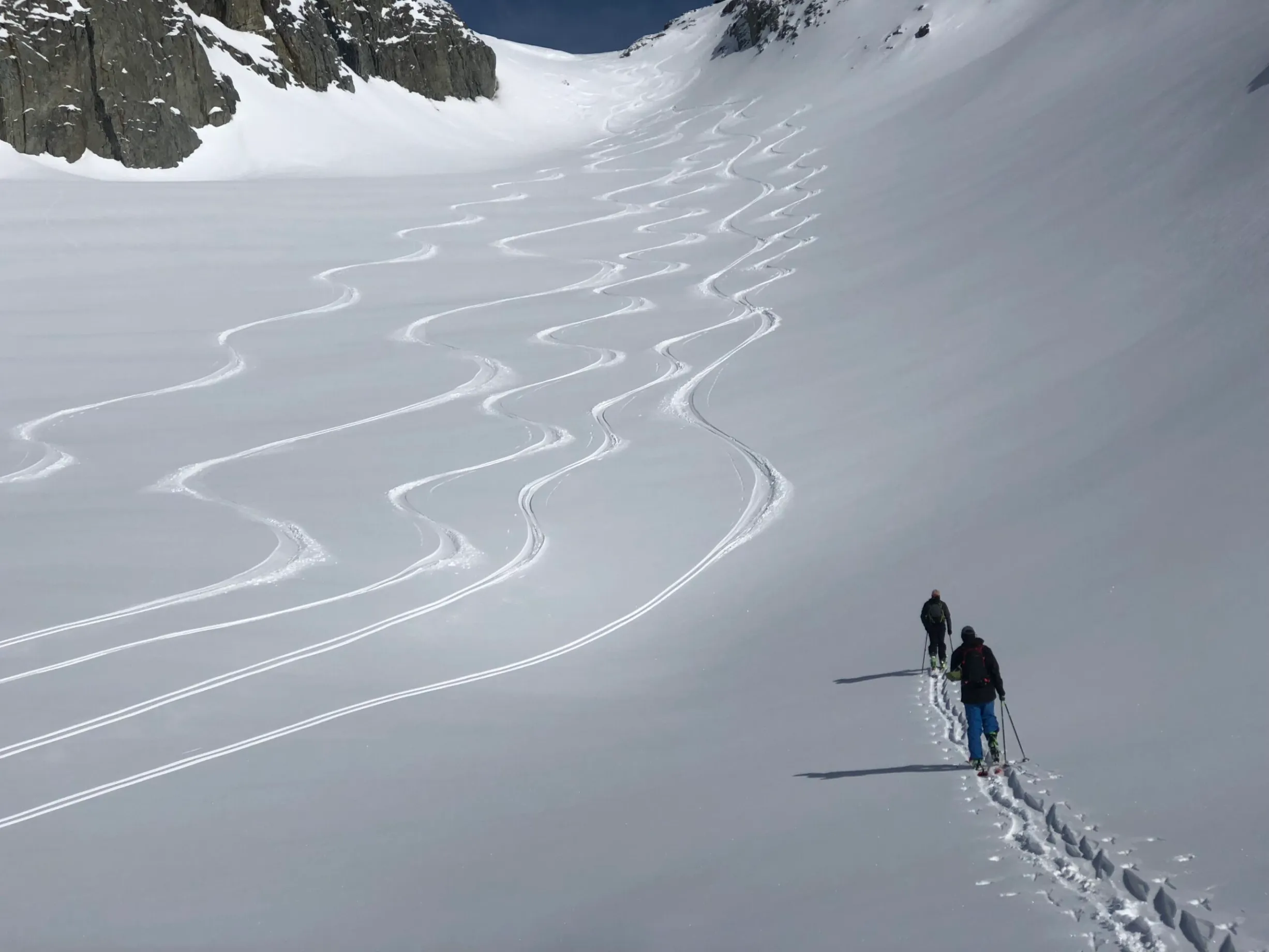
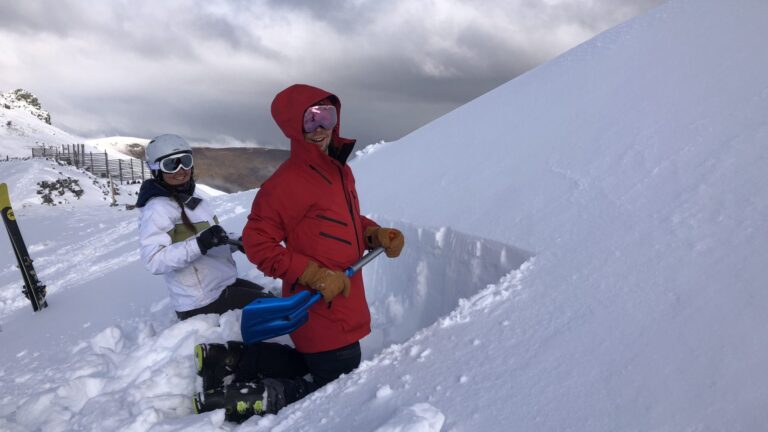
That is why the practical component is so important. In the field, concepts stop being abstract. Slope angle, aspect, wind loading, start zones, safe islands, runouts, and route options become visible in a way that maps and slides cannot fully capture. Students often come away realizing that avalanche terrain is more widespread than they assumed.
Field instruction also exposes one of the biggest truths in avalanche education: group behavior often drives outcomes as much as snow conditions do. Good travel habits, spacing, communication, and willingness to turn around are all teachable skills. They deserve as much attention as rescue drills.
You do not need a huge backcountry resume, but you should arrive prepared to learn in winter conditions.
That means being comfortable with your movement system, whether that is touring skis, splitboard, or snowshoes. If you are still struggling with basic transitions, uphill pacing, or descending easy terrain, the avalanche content can get crowded out by the mechanics of simply moving around. The better your baseline mountain travel skills, the more you will absorb.
You should also come with the right mindset. The best students are not the loudest or most confident. They are usually the ones willing to ask direct questions, test their assumptions, and accept that mountain judgment takes time to build.
The course should be the start of a system, not a one-off credential.
Once you finish, keep reading advisories. Debrief your tours. Practice rescue regularly enough that your beacon use is automatic. Choose terrain that lets you apply what you learned without stretching beyond it. Go out with partners who take planning seriously and are prepared to discuss route choices before leaving the trailhead.
There is also value in returning for more education once you have some mileage. Concepts that feel theoretical during an entry course tend to make much more sense after a season of travel. That is often when people realize how much more there is to learn, which is a healthy place to be.
If your plans include backcountry travel in snow-covered mountains, yes.
The real value of an asc1 avalanche course is not that it eliminates risk. No course can do that. Its value is that it gives you a disciplined way to think, observe, and decide before small mistakes stack into serious consequences. It raises the standard of your planning and helps you become a better partner in the field.
For ambitious mountain users, that foundation pays off well beyond one winter. It shapes how you approach ski touring, mountaineering, and any objective where snow stability and terrain management matter. The mountains will always require judgment. A good course is where that judgment starts to take form.
The best reason to take one is simple: the backcountry is far more rewarding when your decisions are built on skill rather than hope.